
Automotive simulation and parts manufacturing
Our engineers in Rui’an, China use finite element analysis (FEA) to evaluate strength and stiffness, and computational fluid dynamics (CFD) to study airflow and cooling. For custom parts, we review the drawing, material and order volume to plan production.
From your drawing to your delivery date.
Yiyu coordinates custom automotive parts through its own production resources and partner factories. We review your drawing, material, tolerances and order volume to select a route through casting, injection molding, sheet-metal stamping, welding, riveting and assembly. For urgent orders, request expedited production and worldwide delivery. We confirm tooling, inspection, freight and the earliest achievable delivery date for your destination with the quotation.
How much material does the load path actually need?
We evaluate stiffness, strength, vibration modes and fatigue against the loads a vehicle or component must carry. Topology, shape and thickness studies help design teams focus material where it contributes to performance.
See the structural lightweighting study
Explore this service
Follow the air. Follow the heat.
For external aerodynamics we study pressure, separation and wake behavior. For battery packs and cooling systems we compare flow distribution, cell temperature spread and the cooling plate’s thermal response.
Explore the vehicle wake studyA component works within a vehicle.
From occupant restraints and chassis motion to antenna performance and propulsion efficiency, a subsystem model gains meaning from its vehicle-level boundary conditions. The center works across seven whole-vehicle CAE disciplines.
Explore this service
Make the process part of the design.
Yiyu combines automotive component design with in-house and partner manufacturing. Casting, injection molding, stamping and welding studies help identify tooling and process changes before production commitments.
See the rivet forming simulation
Explore this service
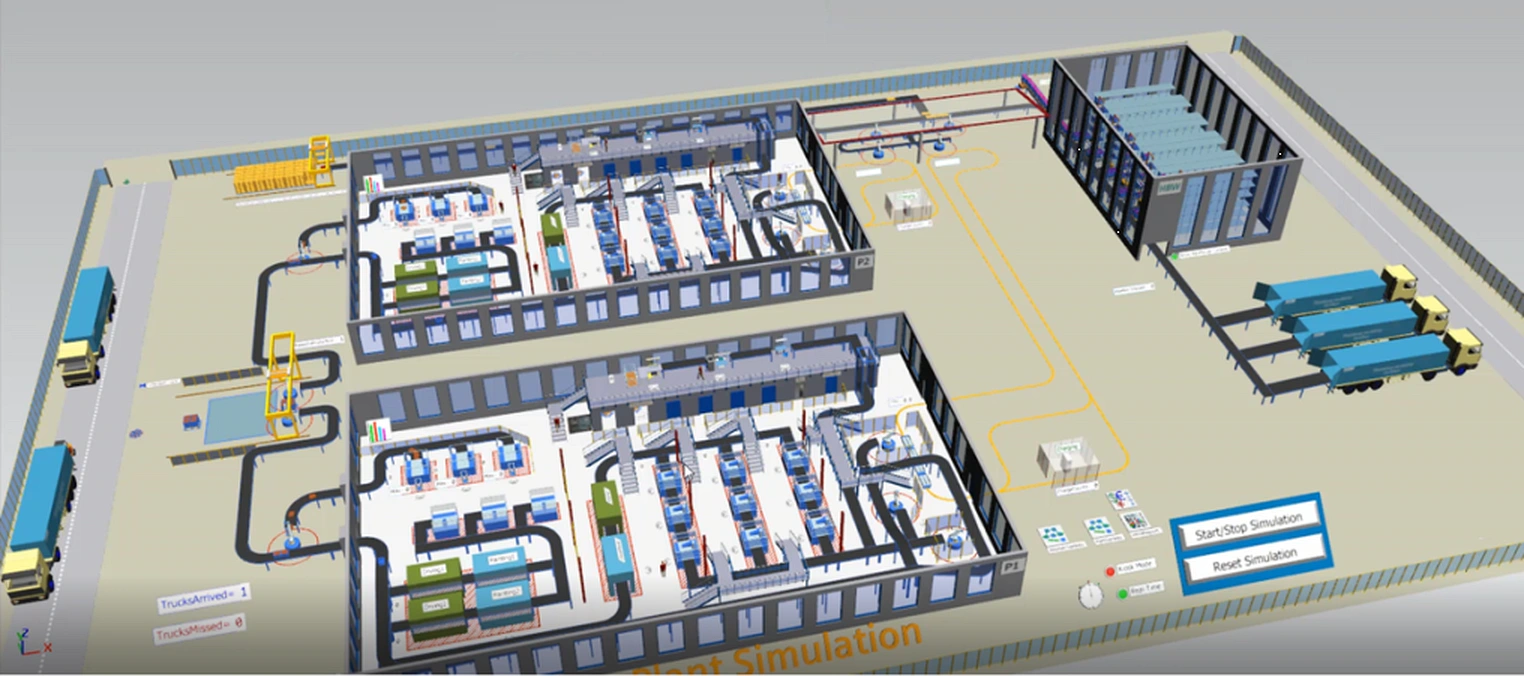
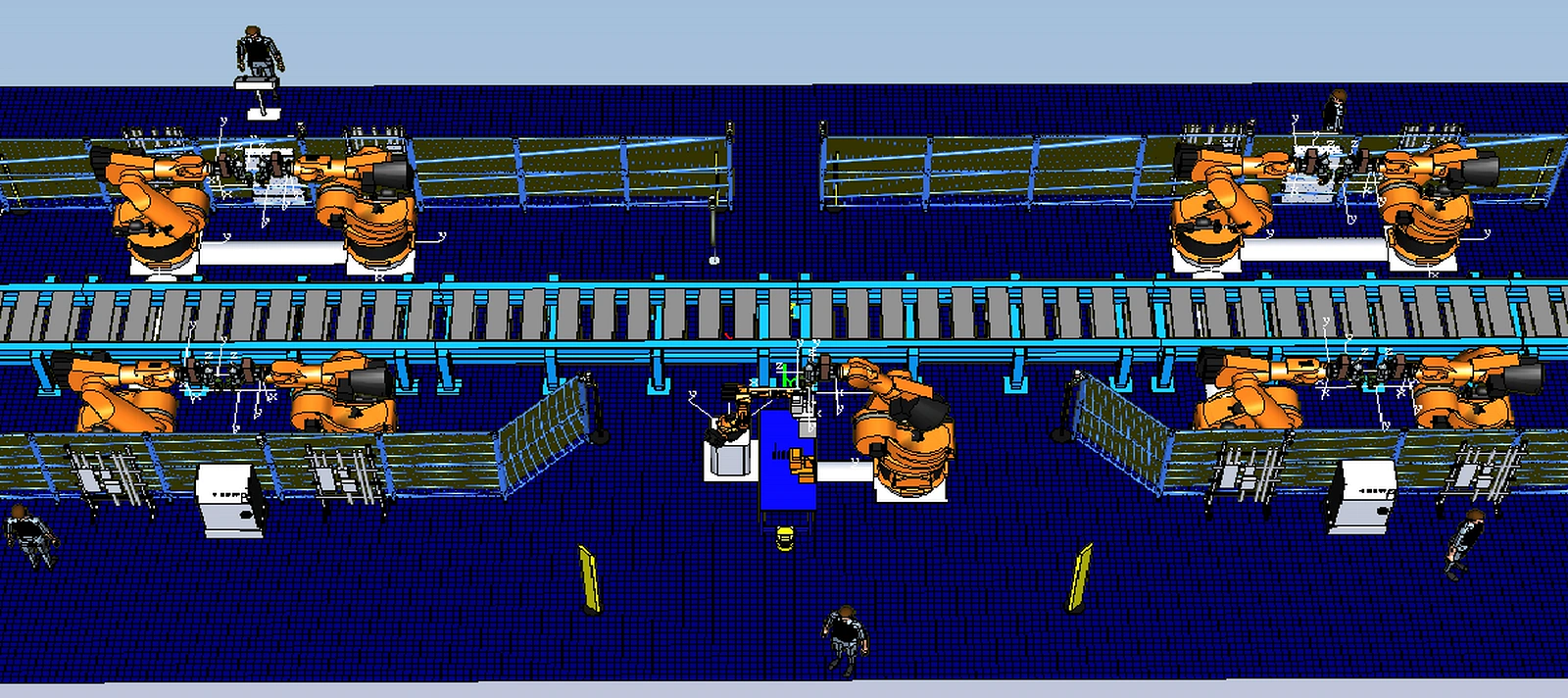
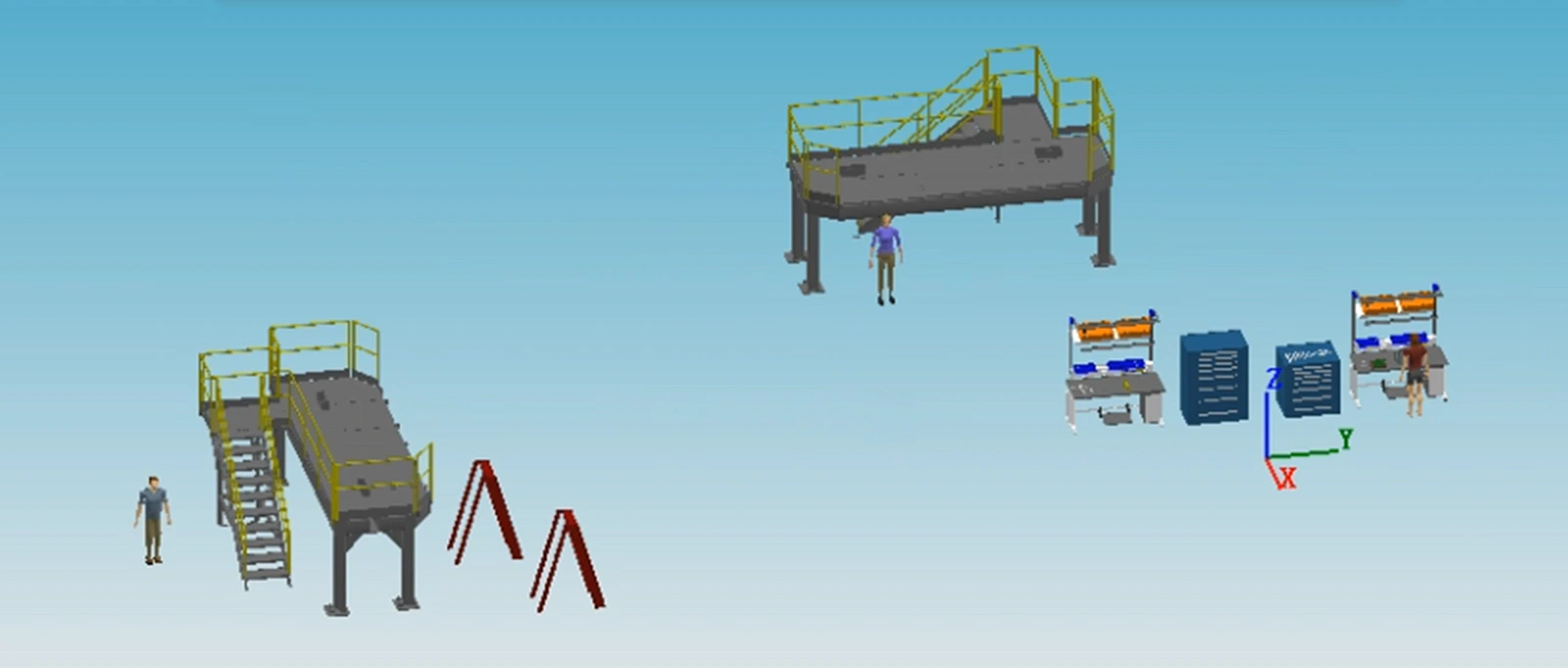
Test the sequence before arranging the line.
A line layout has to accommodate part flow, equipment motion and the operator. Three-dimensional manufacturing studies help compare motor assembly, logistics and workstation arrangements.
Explore this service
Examine the rotor and its supporting structure.
Studies cover rotor flow, interference with the airframe, arm modes, vibration and drop response.